
From content to conversion: The role of creators in beauty marketing
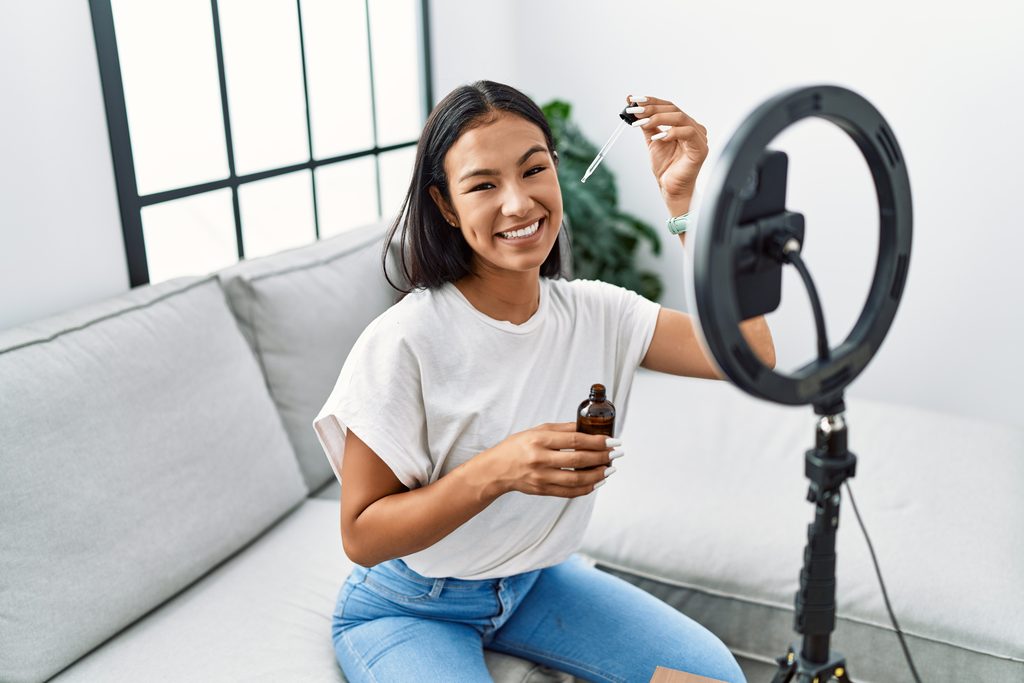
Beauty is one of the most resilient industries in the U.S. Even while going through some difficult economic years, Americans still spend around $280 a year on cosmetics. Globally, the beauty and personal care market is a more-than-half-a-trillion-dollar industry.
But behind all this strength and resilience stand social media and content creators. With 71% of beauty shoppers turning to social platforms to research products, brands use content to build awareness, trust, and ultimately, demand.
As more buyers turn to AI-powered search, beauty marketing strategies rely on content creators for conversions. Good quality social media posts and campaigns can create a compelling narrative and uphold brand authenticity and visibility, SJOLIE reports.
Why AI Search Demands Influencer Marketing
The widespread and quick adoption of AI answer engines, copilots, and generative platforms has brought a major shift in consumer search behavior and brand discoverability. With AI answers taking over a big chunk of the SERP page and 37% of consumers going straight to ChatGPT, Gemini, or Claude for answers, brands need a new approach.
This is where the power of influencer marketing becomes essential. As more users move away from standard Google search tools toward AI search, beauty marketing must focus more on human voices and content that’s most likely to be cited by LLMs.
Creators describe beauty products using natural, hyper-specific human language. They talk about texture, finish, wear time, skin conditions, and routine integration. In short, they supply the precise descriptive context LLMs need to match a product to a niche user query.
How Real-World Testing Builds Brand Credibility
Today’s beauty marketing is about more than just visibility. This is why social media and influencers play such an important role in promoting products and spreading the word. Consumers need proof of performance within a relatable context; it’s no longer enough to see an ad on TV or plastered all over the subway.
Get Ready With Me videos, wear-tests, and live applications often go viral because buyers want to see how coverage, texture, blendability, and shade look on real skin and under various lighting conditions.
In the world of beauty, new products pop up every day, and the market is hyper-fragmented. Brands that want to stand out and reach the right demographic must devise a strategy that includes influencers and content creators.
Why Influencers Outperform Traditional Ads
While standard beauty marketing techniques (like ads on TV, in magazines, or in public spaces) still work, they don’t do much about earning consumers’ trust. In fact, data shows that around two-thirds of buyers find them annoying.
Millennial, Gen Z, and Gen Alpha buyers inherently distrust brand-owned messaging. But they will pay attention to their favorite beauty influencers and creators, whom they’ve been following for years.
Influencers are the trusted, third-party reviewers. When a creator regularly shares both products they love and products that failed them, their opinion holds more power than any fancy TV commercial. This is why brands like GIMME Beauty built their creator strategy around product proof.
Beauty marketing based on content creators also makes it easier for customers to find exactly what they need due to personalized recommendations. Whether they use AI search, Google, or social media search, the vast amount of content on a bevy of beauty topics means everyone can find the right products for their complexion.
The ROI Case for Creator-Driven Strategies
Social media and content creators are an important part of any beauty marketing strategy. Even if buyers can go into a store and test all sorts of products, the results don’t show right away.
Creators and influencers bridge the gap between beauty claims and real-world results. Through their tests, reviews, and various forms of content, they help buyers understand the long-term results of a product and discover new brands.
When an influencer recommends a product or brand to their followers, it sounds like a conversation between old friends over coffee. Everyone gets to share insights and ask questions, which is what creates communities, boosts awareness, and keeps the AI engines busy.