
Is Coconut Oil Really Good for Your Skin? Debunking The Trend.
Is Coconut Oil Really Good for Your Skin? Debunking The Trend
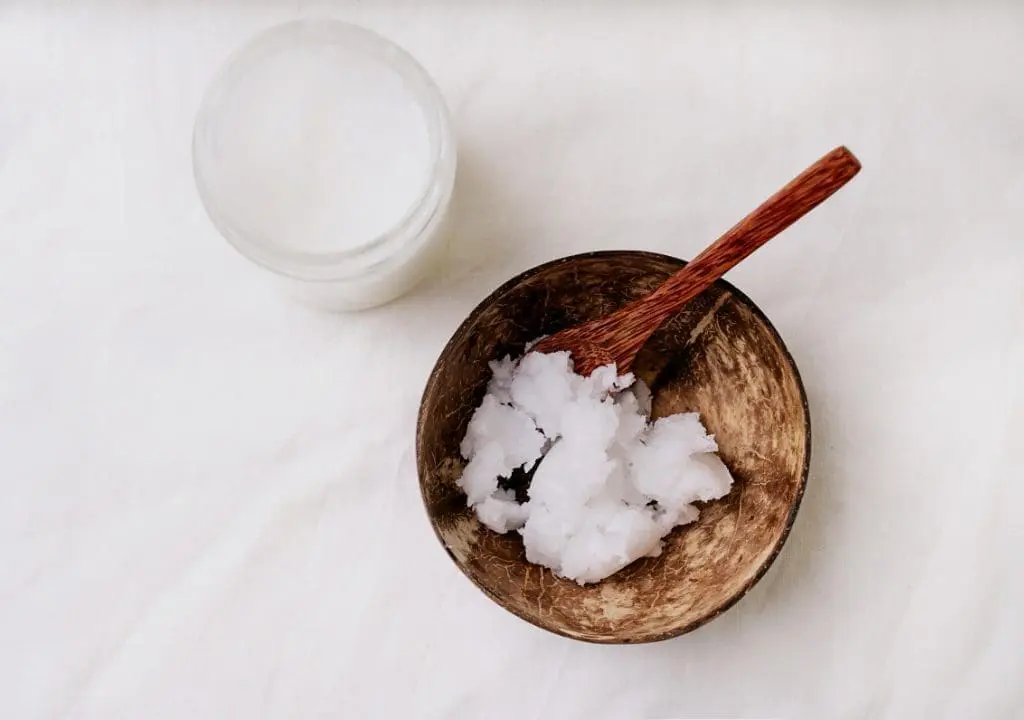
Coconut oil has become a staple in wellness and beauty routines, celebrated for its natural properties and versatility. But does the hype match reality? We’re breaking down what coconut oil actually does for your skin, why it’s not a one-size-fits-all solution, and how it can impact your spray tan results. Spoiler: the answer is more nuanced than you might think.
The Rise of Coconut Oil in Skincare
Coconut oil has earned a devoted following in the skincare world, and for good reason—it does have legitimate benefits. This tropical oil is rich in fatty acids, contains antimicrobial properties, and provides hydration. Many people swear by it as a moisturizer, makeup remover, and general beauty product.
However, the popularity of coconut oil has created a false assumption: that it’s beneficial for everyone. The reality is more complicated. While coconut oil can be wonderful for some skin types, it can be problematic for others, and it requires careful consideration when combined with professional skincare treatments like spray tans.
| Benefit | Who It Works For |
|---|---|
| Deep Hydration | Dry, mature, or sensitive skin types |
| Antimicrobial Properties | Can help with minor blemishes for some |
| Natural Makeup Remover | Effective for all types (when used properly) |
| Lip & Body Care | Generally safe for lips and body hydration |
Why Coconut Oil Clogs Pores
Here’s where coconut oil’s reputation gets complicated. Coconut oil ranks high on the comedogenicity scale, meaning it has a strong tendency to clog pores. This is because coconut oil is occlusive—it creates a seal on the skin that can trap bacteria, dead skin cells, and other debris beneath the surface.
For people with oily, acne-prone, or combination skin, this is a significant problem. Using coconut oil on the face can lead to congestion, blackheads, whiteheads, and full-blown acne breakouts. Even if you don’t typically struggle with acne, applying pure coconut oil to your face might trigger congestion you didn’t expect.
The lesson here? Coconut oil isn’t inherently bad—it’s simply not suitable for all skin types or all applications. Knowing your skin type and understanding product compatibility is essential for building an effective skincare routine.
| Skin Type | Coconut Oil on Face? | Best Use |
|---|---|---|
| Dry Skin | Generally safe in moderation | Evening moisturizer or treatment mask |
| Sensitive Skin | Proceed with caution; do patch test | Body care, lips, and gentle removal |
| Normal Skin | Use sparingly and observe | Occasional treatments, not daily use |
| Oily Skin | Avoid on face | Body care only; use lighter alternatives |
| Acne-Prone Skin | Definitely avoid | Stick to non-comedogenic products |
| Combination Skin | Avoid T-zone; use body care instead | Limited use on dry areas only |
Coconut Oil and Spray Tan Results
If you’re a spray tan enthusiast, here’s something critical to know: using coconut oil before your spray tan appointment can compromise your results. The occlusive nature of coconut oil creates a barrier on your skin that can prevent the tanning solution from bonding evenly and developing properly.
The result? Patchy, uneven color development, streaks, or an overall less vibrant tan. Additionally, the residual oil can cause the tan to fade faster because the tanning solution doesn’t have the best surface to adhere to. For optimal spray tan results, you should avoid applying coconut oil to your body for at least 24 hours before your appointment.
After your spray tan, using coconut oil can also accelerate fading. The same occlusive properties that make it problematic pre-tan also reduce the lifespan of your color by interfering with the tan’s development cycle on your skin.
Smarter Skincare Alternatives
So what should you use instead of pure coconut oil? The answer lies in purpose-formulated skincare products that deliver the benefits you’re seeking without the drawbacks. Modern skincare science has created numerous alternatives that hydrate, protect, and nourish skin more effectively than single-ingredient oils.
Lighter facial oils: Jojoba, squalane, and rosehip oils offer hydration without excessive comedogenicity. These oils have a similar molecular weight to skin’s natural oils, making them less likely to clog pores.
Gel-based moisturizers: Hydrating gels absorb quickly and work well for oily, combination, and acne-prone skin types. They deliver moisture without the occlusive barrier.
Ceramide-rich creams: These formulations strengthen your skin barrier without relying on heavy oils, making them ideal for sensitive skin.
Hyaluronic acid serums: This hydration powerhouse holds up to 1000 times its weight in water, providing plumping hydration in a lightweight formula.
How Sjolie Uses Coconut Oil Responsibly
At Sjolie, we understand that coconut oil has genuine benefits—which is why certain products in our collection include it as a carefully balanced ingredient. However, we never rely on coconut oil as a standalone solution. Instead, we combine it with other ingredients that offset its comedogenic properties and enhance its benefits.
Our approach is science-backed and client-focused. We formulate products that work with your spray tan timeline, support healthy skin, and deliver visible results without the risk of pore-clogging or tan interference.
Sjolie Products for Safe, Healthy Skin
Looking for skincare that won’t interfere with your spray tan or compromise your skin? Sjolie Body Renew, Body Wash, and other specialized formulations are specifically designed to support spray tan clients while delivering premium skincare benefits.
Sjolie Body Renew provides deep hydration and skin renewal without the comedogenic concerns of pure coconut oil. Its balanced formula enhances skin texture and radiance while remaining spray-tan-safe.
Sjolie Body Wash cleanses effectively without stripping your skin, preparing your body perfectly for spray tan sessions and maintaining your results once applied.
These products are formulated with the spray tan client in mind—they enhance your glow without compromising your tan’s longevity or evenness.
When (and When NOT) to Use Coconut Oil
When coconut oil makes sense:
- As a lip balm or lip treatment
- For very dry body areas (heels, elbows)
- As a gentle makeup remover for dry skin
- In hair care and scalp treatments
- As an occasional deep-conditioning mask for dry skin (not on the T-zone)
When to skip coconut oil:
- On oily, combination, or acne-prone facial skin
- 24 hours before a spray tan appointment
- During the first week after your spray tan
- If you have sensitive skin (do a patch test first)
- As your primary daily moisturizer on the face
Making Informed Skincare Choices
Coconut oil isn’t inherently good or bad—it’s simply a product with specific properties that work for some skin types and situations, but not others. The key to healthy, glowing skin is understanding your individual skin type, your lifestyle goals (like maintaining spray tan results), and choosing products that align with both.
Rather than following trends blindly, approach skincare strategically. Look for formulations that deliver the benefits you want without the drawbacks, products designed specifically for your needs, and brands that prioritize both efficacy and safety.
At Sjolie, we’re committed to helping you achieve beautiful, healthy skin and flawless spray tan results. Our carefully formulated skincare line respects the science of skin health while delivering the luxurious, pampering experience our clients deserve.


